
App Store Featured

Finally.
A Quiet Night.

Not just a sound player. Lushh uses standardized THI assessments, notch therapy, pulsatile tinnitus tracking, and tailored sound relief to help you reclaim your silence.

65+

Relief Sounds

Notch

Therapy Programs

Pulsatile

Tinnitus Tracking

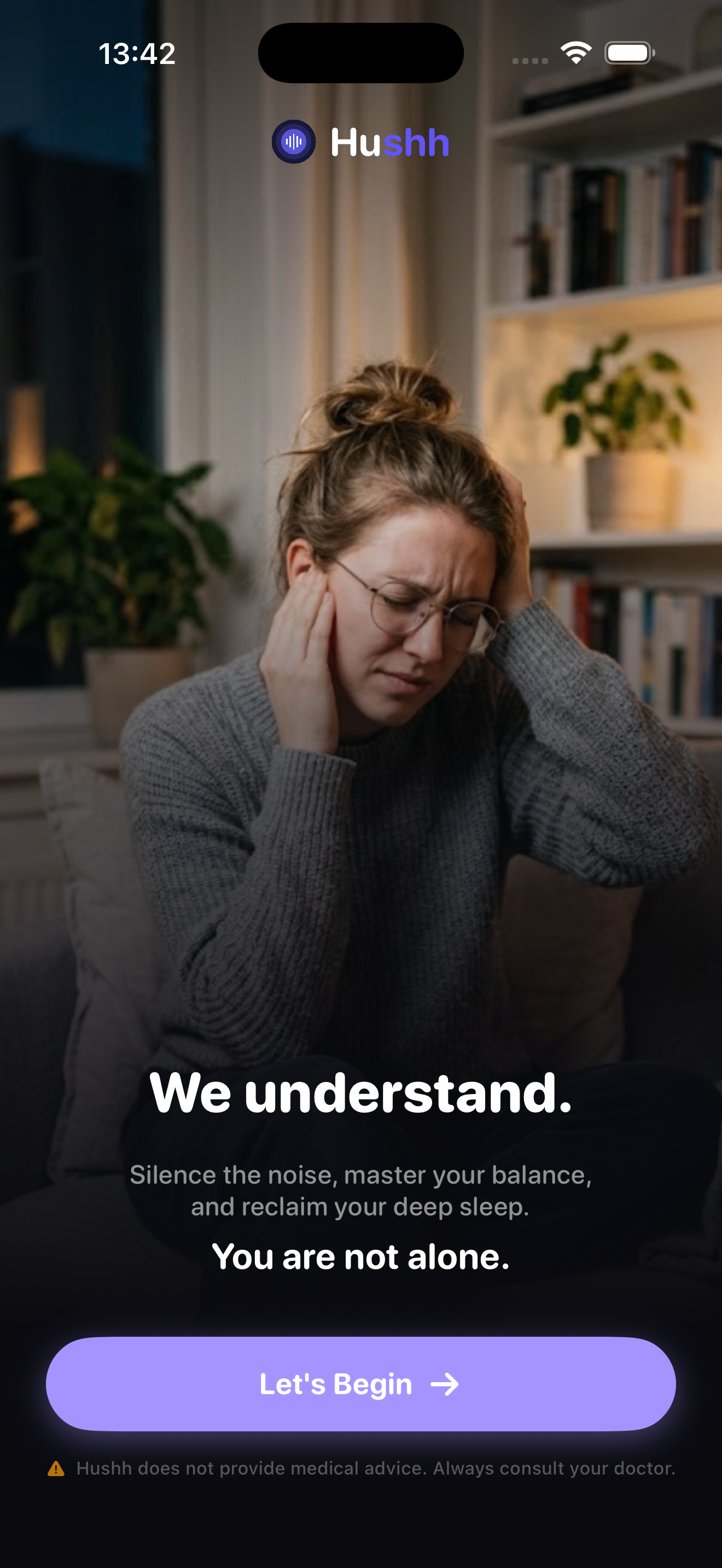
Lushh App - We understand. Silence the noise, master your balance.
The Complete Toolkit

Everything you need, in one place

Lushh goes exactly where generic sound apps fall short. We provide standardized THI assessments to map your exact severity, custom-tuned acoustic maskers to drown out the ringing, and interactive 3D vestibular exercises to conquer vertigo episodes.

🎯

Tinnitus Assessment & Pitch Matching

Start your journey with a validated THI assessment to measure your baseline severity. Then, use our precise Frequency Matcher to pinpoint your exact ringing pitch, allowing Lushh to generate highly tailored notch relief programs specific to your ears.

  • Accurate Pitch Detection
  • Notch Filter Generation
Tinnitus Assessment
βš–οΈ

Complete Vertigo & Balance Rehab

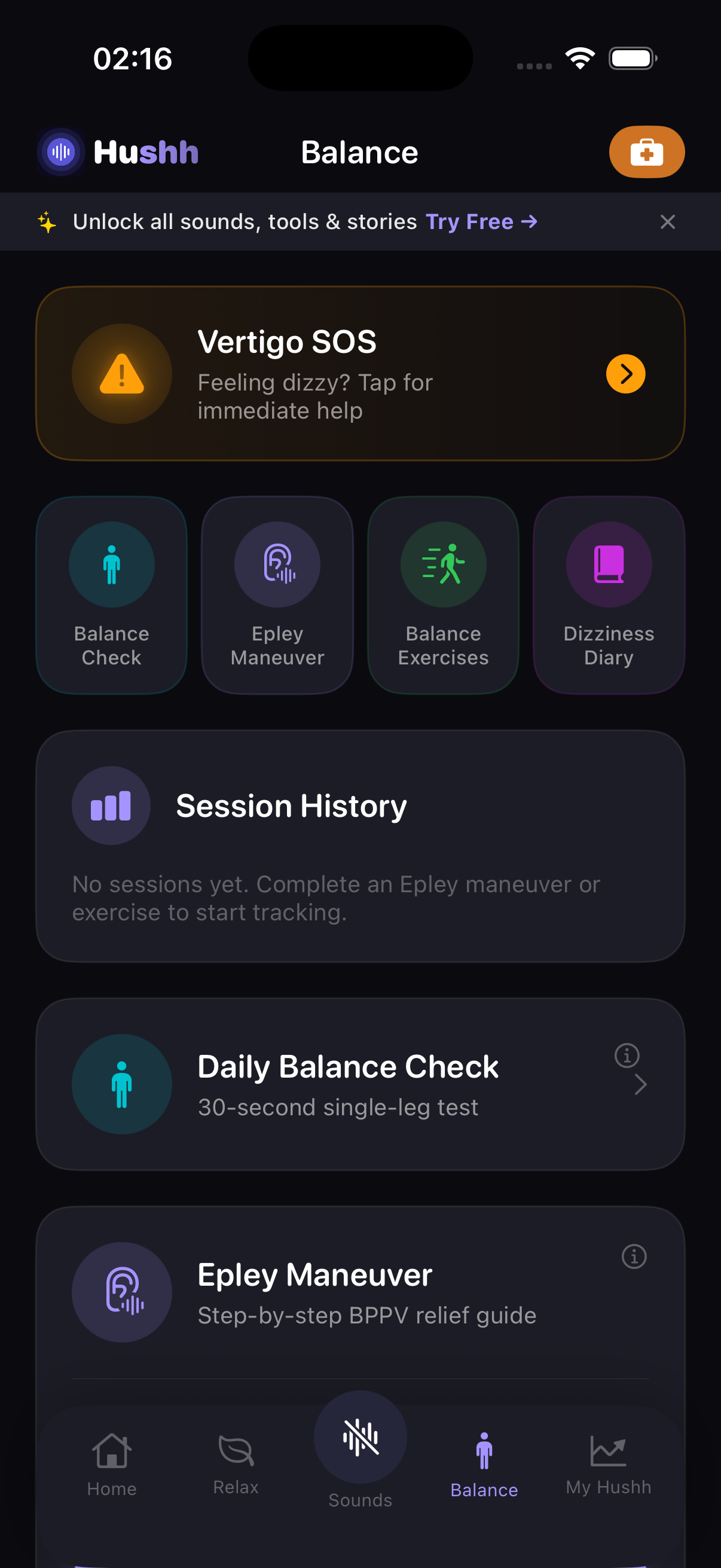
Experience sudden dizziness? Our interactive Epley Maneuver guide uses your iPhone's gyroscope to walk you through BPPV exercises safely step-by-step. Prevent future episodes with daily Cawthorne-Cooksey balance routines.

  • Real-time Head Tracking (IMU)
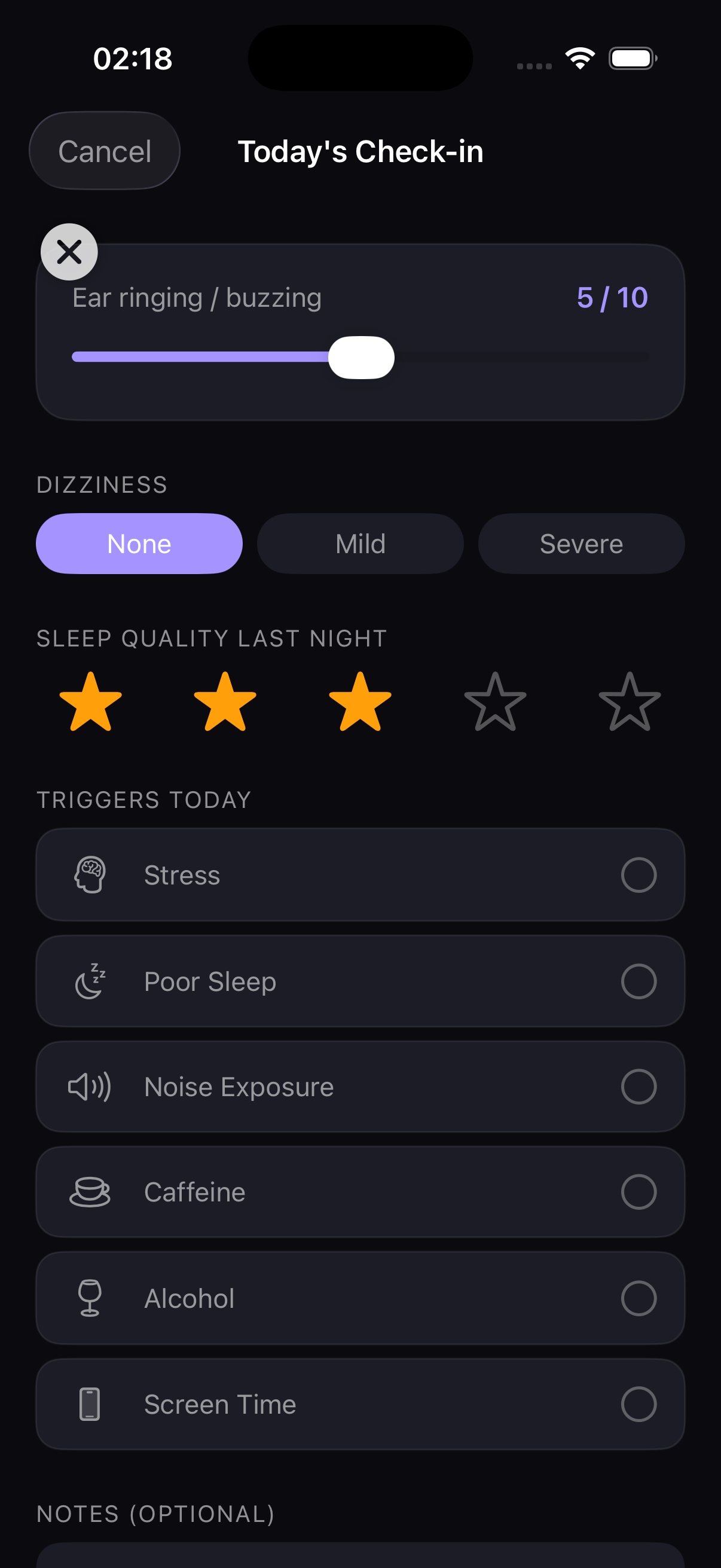
  • Dizziness & Trigger Diary
Vertigo Exercises
🧠

Emotion Wheel & Smart Routines

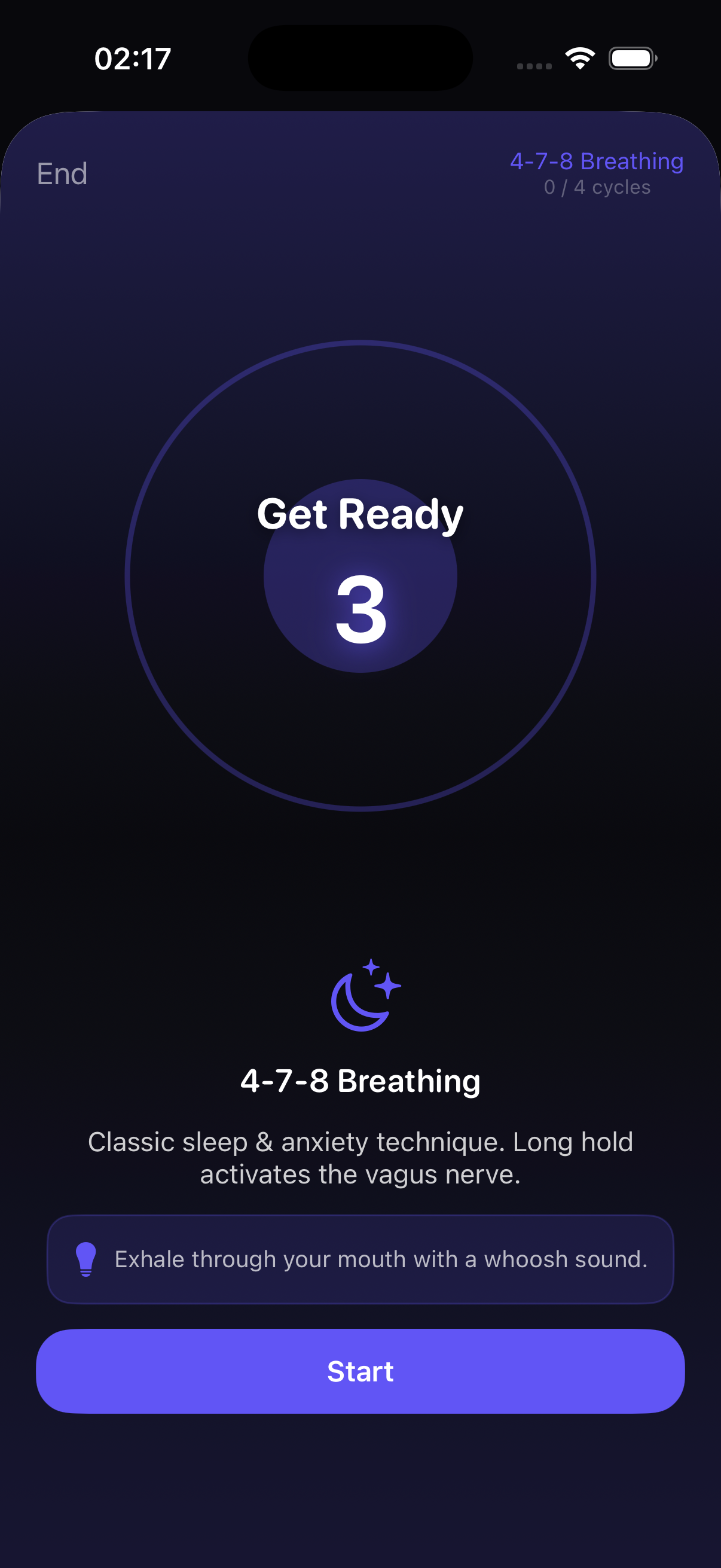
Your experience fluctuates, and so should your relief plan. Log how you feel daily with the Emotion Wheel. Lushh then serves tailored Morning, Midday, and Night routines. Anxious? It cues 4-7-8 breathing. Restless? It prepares a deep Sleep Story.

  • Time-aware Suggestions
  • PDF Doctor Reports Export
Emotion Routines
🎢

65+ High-Def Sounds

Access a massive library of Nature, White/Brown Noise, Binaural Beats, and specialized Tinnitus Masking tones to find your precise relief.

πŸŽ›οΈ

Custom Sound Mixer

Don’t settle for generic presets. Layer up to 5 individual tracksβ€”like Heavy Rain, Campfire, and Delta Wavesβ€”to create the perfect acoustic mix.

πŸ’“

Pulsatile Tinnitus Mode

Does your tinnitus beat in sync with your pulse? Lushh now detects and tracks pulsatile tinnitus β€” a distinct type that requires different management. Log it, monitor it, and share data with your specialist.

πŸŽ“

Guided Therapy Programs PRO

Structured 30-day programs built on sound therapy research. Notch therapy, masking, and relaxation sessions that adapt as your symptoms improve. Track daily streaks and measure your progress over time.

Beautifully Designed

Dark mode optimized to minimize light sensitivity.

The Lushh Protocol

We don't just guess. We measure, manage, and verify.

1

Measure & Assess

Complete the THI evaluation and use our Frequency and Loudness Matchers to pinpoint the exact characteristics of your tinnitus.

2

Personalized Program

Lushh generates a 30-day program. If you selected Vertigo issues, daily vestibular rehabilitation exercises are instantly added to your dashboard.

3

Track & Export

Log triggers in your Dizziness Diary. At the end of the month, export a beautiful PDF report to share with your ENT doctor or audiologist.

Transparent Pricing

Invest in your peace of mind

Basic Relief

$0 / forever

Essential tools to get started.

  • 5 Curated Relief Sounds
  • 2-Track Sound Mixer
  • THI Assessment
  • Basic Breathing Exercises
Download Free

Premium Weekly

$4.99 / week

Ideal for short-term relief.

  • All 65+ High-Quality Sounds
  • 5-Track Pro Sound Mixer
  • Binaural Beats (Sleep, Focus)
  • Complete Vertigo & BPPV Guides
  • PDF Doctor Reports Export
  • Pulsatile Tinnitus Tracking
Start Weekly Plan
Best Value

Premium Yearly

$49.99 / first yr

Introductory offer, then $69.99/yr.

  • All 65+ High-Quality Sounds
  • 5-Track Pro Sound Mixer
  • Binaural Beats (Sleep, Focus)
  • Complete Vertigo & BPPV Guides
  • PDF Doctor Reports Export
  • Pulsatile Tinnitus Tracking
  • 30-Day Guided Therapy Programs
Start 7-Day Free Trial
Evidence-Based Insights

Tinnitus Knowledge Base

Research-backed articles to help you understand, manage, and live better with tinnitus.

Sound wave frequency visualization
Notch Therapy
What is Notch Therapy for Tinnitus? The Science Behind Frequency-Targeted Relief
Notch therapy works by identifying your exact tinnitus frequency and training your brain to suppress it. Here's everything research tells us about this clinically studied approach.
8 min read Evidence-based
Read article
Person sleeping peacefully at night
Sleep
Best Sounds for Tinnitus Sleep: A Research-Backed Ranking
Tinnitus is loudest at night when there's no ambient sound to compete with it. These sound types β€” ranked by clinical evidence β€” can mask ringing and help your brain shift into sleep mode.
10 min read Sleep science
Read article
Person tracking habits in a journal
Tracking
How to Track Tinnitus Triggers: The Method That Changes Everything
Caffeine, stress, poor sleep, loud events β€” your tinnitus reacts to your life. Systematic tracking reveals your personal pattern and gives you tools to take control.
9 min read Lifestyle management
Read article
Veterans military service
Veterans
Tinnitus in Veterans: The #1 VA Disability Claim Nobody Talks About
More veterans are service-connected for tinnitus than any other condition. Combat noise β€” explosions, gunfire, vehicles β€” causes damage that follows you home for life. Here's what the research says and what actually helps.
11 min read Veterans health
Read article
βœ•
Notch Therapy

What is Notch Therapy for Tinnitus? The Science Behind Frequency-Targeted Relief

If you've been living with tinnitus, you may have noticed that some days the ringing feels quieter than others β€” even though nothing obviously changed. This observation is at the heart of one of the most promising tinnitus treatments to emerge from neuroscience research: notch therapy, also called notched sound therapy or tailor-made notched music training (TMNMT).

Unlike passive sound masking β€” which simply drowns out your tinnitus with louder sounds β€” notch therapy actively targets the neural mechanisms that cause your tinnitus. The difference is significant. Masking provides temporary relief while the sound plays. Notch therapy, used consistently over weeks, has shown evidence of reducing tinnitus loudness and annoyance even in silence.

The Brain Mechanism: Lateral Inhibition

To understand notch therapy, you first need to understand why tinnitus exists at all. Your auditory system is organized tonotopically β€” neurons in your auditory cortex are arranged by frequency, from low tones at one end to high tones at the other. When hair cells in your inner ear are damaged (by noise exposure, age, medication, or infection), the neurons that correspond to those frequencies lose their normal input.

Rather than going quiet, those neurons become hyperactive. They start firing spontaneously without any real sound signal β€” and your brain interprets this phantom firing as sound. That's your tinnitus.

🧠

Tonotopic map illustration: Different frequencies are processed by different cortical regions. Damage to hair cells β†’ deafferentation β†’ neuronal hyperactivity at that frequency band β†’ perceived tinnitus tone.

Notch therapy exploits a principle called lateral inhibition. In a healthy auditory system, active neurons suppress their neighbors β€” like a busy restaurant where nearby conversations partially cancel each other out. If the neurons tuned to your tinnitus frequency are hyperactive, stimulating the neurons just above and below that frequency (while removing the tinnitus frequency from the sound) causes those neighboring neurons to become more active, which in turn suppresses the hyperactive neurons in the notched band.

In other words: by listening to sound with a "notch" cut out at your tinnitus frequency, you're using your brain's own suppression circuits against the tinnitus signal.

What the Research Shows

The landmark study by Okamoto et al. (2010) in PNAS was a double-blind, randomized controlled trial that ran for 12 months. Participants with tinnitus at a specific frequency listened to notched music daily β€” with the notch centered on their tinnitus frequency. The results showed statistically significant reductions in tinnitus loudness and the Tinnitus Handicap Inventory (THI) score compared to controls.

"Our results suggest that listening to notch-filtered music is a simple, enjoyable, and inexpensive method to reduce tinnitus loudness." β€” Okamoto et al., PNAS 2010

Since then, multiple studies have replicated elements of this finding:

  • Teismann et al. (2011) showed reduced neural activity in auditory cortex at the tinnitus frequency after notched-sound exposure using MEG imaging.
  • Strauss et al. (2017) found that even 3 months of daily notched sound therapy produced measurable reductions in tinnitus-related distress.
  • A 2021 Cochrane review called for more high-quality RCTs but acknowledged notch therapy as a biologically plausible and potentially effective intervention.

How Notch Therapy Works in Practice

Step 1: Frequency Matching

The most critical component of effective notch therapy is identifying your exact tinnitus frequency. This requires careful pitch matching β€” listening to pure tones and adjusting until the generated tone precisely matches your perceived ringing. The typical range tested is 250 Hz to 14,000 Hz, with most tinnitus cases clustered between 3,000–8,000 Hz.

Accuracy matters here. A notch misaligned by even a few hundred Hz will be significantly less effective. This is why the Lushh Frequency Matcher uses a sliding tone with fine-grained control β€” not a coarse frequency selector.

Step 2: Notch Width

The notch in the sound spectrum typically spans one octave (half an octave above and below your matched frequency). A wider notch stimulates more lateral inhibition but removes more of the natural sound spectrum. A narrower notch is more precise but may have smaller effect. Most protocols use a one-octave notch as the standard starting point.

πŸ“Š

Notch filter diagram: A frequency spectrum with a notch centered at the tinnitus frequency (e.g., 6,000 Hz). Sound energy at surrounding frequencies activates adjacent neurons, suppressing hyperactivity in the notched band.

Step 3: Daily Listening Duration

Most published protocols recommend 1–2 hours of notched sound exposure per day. This can be split across multiple sessions. The key is consistency β€” notch therapy's neuroplastic effects accumulate gradually. Most participants in clinical studies report noticeable changes after 4–12 weeks of daily use.

This is a lifestyle integration, not a one-time fix. Think of it like physiotherapy for your auditory cortex.

Step 4: Content Choice

The notch can be applied to any broadband sound β€” white noise, music, nature sounds. Research has used everything from classical music to pink noise. Music tends to improve adherence (people actually keep doing it). Nature sounds and white noise are also effective and don't require copyright licensing. The notch is applied digitally as a narrow-band filter to your chosen audio.

Who Is Notch Therapy Most Effective For?

Notch therapy appears most beneficial when:

  • Your tinnitus is at a consistent, identifiable pitch (not fluctuating or multi-tonal)
  • Your tinnitus has existed for less than 5 years (stronger neuroplasticity)
  • Your hearing at the tinnitus frequency is not completely flat (some residual function helps lateral inhibition)
  • You are able to commit to daily use for 8–12+ weeks

It is less likely to help with pulsatile tinnitus (which has a vascular rather than cochlear origin), or with tinnitus caused by neurological conditions like acoustic neuroma.

Limitations and Ongoing Research

Notch therapy is not a cure β€” it is a neuromodulation tool. Results vary significantly between individuals. Current limitations include:

  • Difficulty isolating placebo effects in non-blinded self-administered therapy
  • Variability in frequency matching accuracy without clinical audiometry
  • Lack of long-term (2+ year) follow-up data on sustained benefit
  • Unclear optimal "dose" β€” ideal daily duration and notch width are still debated

New approaches are combining notch therapy with electrical vagus nerve stimulation (VNS) to enhance the neuroplastic signal β€” a method being trialed in Europe with promising early results. Bimodal stimulation (sound + tactile) is another area of active investigation.

How to Start with Notch Therapy Today

You don't need a clinical audiologist to start. Consumer-grade frequency matchers, like the one in Lushh, allow you to approximate your tinnitus frequency and generate notched audio sessions. While clinical audiometry would be more precise, many users successfully self-administer notch therapy at home with good results.

The practical protocol:

  1. Use headphones for all sessions (ensures accurate frequency delivery to each ear)
  2. Match your tinnitus frequency using a fine-grained tone slider in a quiet room
  3. Select your notch width (start wide β€” one octave β€” then narrow over time)
  4. Listen for 1–2 hours daily, split into sessions if needed
  5. Track your THI score monthly to measure progress objectively
  6. Reassess your matched frequency every 4 weeks (tinnitus pitch can shift slightly)

Try Notch Therapy in Lushh

Lushh includes a precise Frequency Matcher, one-click notched session generation, and a daily usage tracker. Start your 7-day free trial and see the difference in a week.

Download Lushh β€” Free
βœ•
Sleep

Best Sounds for Tinnitus Sleep: A Research-Backed Ranking

For many people with tinnitus, nighttime is the hardest part. The moment you turn off the lights, the room goes quiet β€” and your tinnitus fills the silence with alarming clarity. Research suggests that over 70% of tinnitus sufferers report sleep disturbance, and chronic sleep disruption amplifies tinnitus distress, creating a vicious cycle that's genuinely difficult to break.

The solution isn't just "put on some white noise." Different sounds interact with the auditory system differently, and the wrong choice can increase arousal, mask tinnitus poorly, or disrupt sleep architecture. This guide ranks the best sounds for tinnitus sleep β€” based on what the research actually shows, not marketing.

Why Silence Makes Tinnitus Worse at Night

During the day, your auditory system is constantly processing environmental sound. This ambient input partially suppresses the spontaneous neural activity that causes tinnitus β€” your brain is too busy processing real sounds to amplify the phantom signal.

At night, with no competing input, the auditory cortex's gain increases. It becomes more sensitive, trying to detect faint signals β€” and in the process, amplifies the tinnitus signal. This phenomenon, called central gain dysregulation, explains why tinnitus feels subjectively louder in quiet environments even though the underlying neural activity hasn't changed.

Adding background sound at night restores some of that daytime input, reducing the contrast between tinnitus and environment, and helping the auditory cortex reduce its gain.

The Ranking: Best to Least Effective

1. Pink Noise β€” The Science Gold Standard

Pink noise has equal energy per octave (rather than equal energy per frequency like white noise), which means it sounds more natural and less harsh. Critically, pink noise has been the subject of multiple sleep quality studies in both healthy adults and those with sleep disorders.

A study published in Frontiers in Human Neuroscience (2017) found that pink noise significantly increased slow-wave (deep) sleep in adults, correlated with improved morning recall. For tinnitus specifically, pink noise's broad spectrum effectively masks across a wide range of tinnitus frequencies while remaining pleasant enough for extended nighttime use.

Best for: Most tinnitus types, especially mid-to-high frequency ringing. Anyone who finds white noise too harsh.

🌊

Frequency spectrum comparison: White noise = flat (equal energy at all frequencies). Pink noise = -3dB per octave (more bass, less treble). Brown noise = -6dB per octave (much more bass). For tinnitus, pink noise typically provides the best masking-to-comfort ratio.

2. Brown/Red Noise β€” Deep and Calming

Brown noise (also called red noise) rolls off even more steeply than pink noise, producing a deep rumbling sound that many people describe as "like standing under a waterfall" or "the hum of an airplane cabin." The lower frequency emphasis creates a cocoon-like sound that many tinnitus sufferers find deeply soothing.

Brown noise is particularly effective for people whose tinnitus is high-pitched (above 6,000 Hz) because its dominant low frequencies are far from the tinnitus band β€” providing relaxation without competing directly at the tinnitus frequency. It also tends to feel less fatiguing than white noise during extended listening.

Best for: High-frequency tinnitus, anxiety-related sleep difficulty, people who find white noise harsh or irritating.

3. Notched White or Pink Noise β€” For Active Therapy During Sleep

If you want to continue notch therapy passively during sleep, a notch filter can be applied to white or pink noise at your tinnitus frequency. This provides the masking benefit of broadband noise while simultaneously delivering the lateral inhibition effect of notch therapy β€” doubling your daily therapy hours without active effort.

The trade-off is that the notch slightly reduces masking effectiveness at your specific tinnitus frequency. For people whose tinnitus is well-masked by surrounding frequencies, this is acceptable. For those whose tinnitus pierces through anything, standard pink or brown noise may work better at night.

Best for: People already using notch therapy who want to extend their daily exposure. Those with mild-to-moderate tinnitus that doesn't require complete masking.

4. Rain on Leaves or Rooftop β€” Natural Masking with Low Annoyance

Nature sounds offer a psychoacoustic advantage that pure noise cannot: they are inherently familiar and non-threatening to the nervous system. Humans evolved in natural environments, and the auditory cortex processes natural sounds differently from synthetic noise β€” typically with less arousal and faster habituation.

Rain is particularly effective because it is stochastic (random in detail) but has a consistent overall texture, making it simultaneously masking and predictable enough to ignore. Studies on hospital patient sleep (a notoriously difficult environment) have found nature sounds reduce stress biomarkers more than white noise alone.

For tinnitus specifically, rain in the 2,000–8,000 Hz band provides excellent coverage of the most common tinnitus frequency range, while the low-frequency "patter" component promotes relaxation.

Best for: People who dislike electronic noise, anxiety-related tinnitus flares, those who want a more natural soundscape.

5. Binaural Beats (Delta: 0.5–4 Hz)

Binaural beats work by playing a slightly different frequency in each ear. Your brain perceives a "beat" at the difference frequency β€” so 100 Hz in the left ear and 103.5 Hz in the right ear produces a perceived 3.5 Hz delta beat. Delta-frequency binaural beats (0.5–4 Hz) are associated with deep sleep states.

Multiple meta-analyses (including a 2019 meta-analysis in Psychological Research) have found that delta binaural beats reduce anxiety and improve subjective sleep quality. They require headphones to work properly β€” both ears must receive the signal simultaneously and separately.

The evidence in tinnitus specifically is more limited, but the anxiety-reduction and sleep-induction effects are well-documented. Note: do not use binaural beats with any form of epilepsy or seizure disorder without medical consultation.

Best for: People with significant anxiety component to their tinnitus, those who have trouble transitioning from wake to sleep, headphone sleepers.

6. Fan or Air Conditioner Sounds β€” Functional and Effective

There's a reason millions of people sleep with fans running year-round even when they don't need the cooling. Fan sounds are consistent, broad-spectrum, and carry no linguistic content β€” meaning they engage no cortical language processing that could keep you alert. Their randomness within a stable envelope is a near-perfect sleep sound property.

For tinnitus, a fan at moderate volume provides decent masking across a wide range, though it has less high-frequency content than white noise, making it less effective for very high-pitched tinnitus (above 10,000 Hz).

Best for: Those who want something "analog" and natural. Easy to habituate to. Works well as a standalone or layered under other sounds.

7. White Noise β€” Effective but Harsh for Prolonged Use

White noise has equal energy at all audible frequencies, which means it provides the most comprehensive masking. However, the abundant high-frequency content makes it the harshest-sounding of all noise colors. Many people find it tiring after extended exposure β€” a problem for all-night use.

It is most effective for tinnitus that sits below 6,000 Hz where the broad spectrum coverage is needed, and less ideal if your tinnitus is already high-pitched (adding more high-frequency content can feel overwhelming). Use it only at the lowest volume that achieves masking β€” louder is not better.

Best for: Low-to-mid frequency tinnitus. Those who specifically need the broadest possible frequency coverage.

What to Avoid

  • Music with lyrics β€” activates language processing areas, increases arousal, not suitable for sleep induction
  • Inconsistent sound (intermittent rain, irregular thunder) β€” the auditory startle response activates with unexpected sounds, disrupting sleep transitions
  • Volume above 60 dB β€” sustained loud sound causes additional hair cell stress and can worsen tinnitus long-term. Masking should be gentle, not aggressive
  • Silence β€” for most tinnitus sufferers, the worst possible sleep environment

Volume: The Most Underrated Factor

The instinct when tinnitus is severe is to play louder sounds to overpower it. This is counterproductive. The goal is to partially mask the tinnitus β€” reducing the contrast between it and the environment β€” not to create a new loud sound. Louder background noise increases your overall noise exposure and can cause or worsen hearing damage over time.

Target a volume where you can still faintly hear your tinnitus but it no longer dominates your attention. Over time, your auditory cortex will habituate to this reduced contrast, and you'll find you need progressively less masking.

πŸ”Š

The partial masking principle: You don't need to completely eliminate your tinnitus from awareness β€” just reduce it enough that your attention can disengage and sleep can occur. Studies show partial masking leads to better long-term outcomes than complete masking.

Building Your Sleep Sound Ritual

The most effective tinnitus sleep protocol combines:

  1. A consistent sound environment β€” use the same sound(s) every night. Conditioned associations with sleep are powerful. Your brain learns that these sounds = sleep time.
  2. Sound layering β€” combining brown noise with gentle rain creates a richer spectrum and is often more effective than either alone
  3. Timer or fade-out β€” set sound to fade after 60–90 minutes once you're asleep, preventing all-night exposure
  4. Temperature and darkness β€” sound alone won't overcome a hot, bright room. Core body temperature drop is essential for sleep onset
  5. Pre-sleep wind-down β€” start your sound 20–30 minutes before bed to begin signaling sleep to your nervous system

65+ Sleep Sounds in Lushh

Mix pink noise, rain, and binaural delta beats in Lushh's 5-track Pro Mixer. Set a sleep timer, enable notched night sessions, and finally get the quiet night you deserve.

Download Lushh β€” Free
βœ•
Tracking

How to Track Tinnitus Triggers: The Method That Changes Everything

One of the most frustrating aspects of tinnitus is its variability. Some days your tinnitus is barely noticeable β€” a distant background hiss that you almost forget is there. Other days it's a piercing, anxiety-inducing wall of sound that makes it impossible to concentrate or rest. What changed between those two days?

The answer is usually one or more triggers β€” specific environmental, physiological, or behavioral factors that temporarily worsen tinnitus. And here's the critical insight: if you can identify your personal triggers, you gain something close to control over a condition that otherwise feels completely random.

This article explains the science of tinnitus triggers, the most common ones, and β€” most importantly β€” how to build a tracking system that actually reveals your patterns.

What Are Tinnitus Triggers?

A tinnitus trigger is anything that causes a measurable worsening of your tinnitus loudness, pitch, or annoyance. Triggers don't cause tinnitus (that's already present), but they modulate the system that generates it β€” primarily by:

  • Increasing blood flow and pressure to the inner ear (cardiovascular triggers)
  • Elevating cortisol and adrenaline, which stimulate the auditory system (stress triggers)
  • Disrupting neurotransmitter balance, especially glutamate and GABA (dietary and medication triggers)
  • Activating the trigeminal nerve, which modulates auditory cortex activity (somatosensory triggers β€” jaw, neck, posture)
  • Directly exposing cochlear hair cells to additional noise damage (acoustic triggers)

The Most Common Tinnitus Triggers (Ranked by Prevalence)

1. Stress and Anxiety (~85% of tinnitus sufferers report this link)

The connection between stress and tinnitus is bidirectional and deeply physiological. Cortisol and adrenaline (the primary stress hormones) increase neural excitability in the auditory cortex, amplifying the tinnitus signal. Simultaneously, the hypervigilant attention that stress creates directs more cognitive resources toward monitoring the tinnitus, further amplifying perceived loudness.

A 2020 systematic review in JAMA Otolaryngology found that anxiety was the single strongest predictor of tinnitus severity β€” stronger than measured tinnitus loudness in audiometric testing. This means how stressed you are often matters more than how objectively loud your tinnitus is.

2. Poor or Insufficient Sleep

Sleep deprivation increases central auditory gain β€” the brain's "volume control" for processing sound β€” which directly amplifies tinnitus. A single night of poor sleep can produce a noticeable spike in tinnitus that persists through the following day. Chronic sleep deprivation creates a sustained amplification that makes tinnitus seem to worsen over time even when underlying cochlear status is unchanged.

Tracking sleep quality alongside tinnitus severity is one of the most reliably informative correlations you can measure.

😴

The sleep-tinnitus cycle: Tinnitus disrupts sleep β†’ sleep deprivation increases central gain β†’ tinnitus appears louder β†’ increased anxiety about tinnitus β†’ further sleep disruption. Breaking this cycle is one of the highest-impact interventions available.

3. Caffeine β€” More Complex Than You Think

The caffeine-tinnitus relationship is more nuanced than the "avoid caffeine" advice commonly given. Caffeine is a vasoconstrictor and a central nervous system stimulant that increases neural excitability. For some people, it noticeably worsens tinnitus within 1–2 hours of consumption. For others, there is no effect β€” or even a slight reduction, possibly due to caffeine's adenosine-blocking properties reducing inhibitory signaling.

A 2020 study of over 65,000 women in The American Journal of Medicine found that higher caffeine intake was actually associated with lower tinnitus incidence β€” complicating the simple "caffeine = bad" narrative. The key takeaway: you need to test your own response. Many audiologists no longer recommend universal caffeine elimination.

4. Loud Sound Exposure

Acoustic trauma β€” even short-duration β€” causes a temporary worsening of tinnitus (temporary threshold shift) that can last hours to days. This includes concerts, sports events, power tools, gunshots, and even prolonged conversation in loud restaurants. The cochlear hair cells are temporarily overloaded, increasing spontaneous neural activity at their tuned frequency.

Tracking loud sound exposures alongside tinnitus flares often reveals a 4–12 hour delay between exposure and peak worsening β€” which is why the connection isn't always obvious without systematic logging.

5. Dietary Factors: Salt, Alcohol, MSG

Salt: High sodium intake increases fluid retention in the endolymph (inner ear fluid), increasing pressure in the cochlea β€” particularly relevant for MeniΓ¨re's disease sufferers but documented in general tinnitus populations too. Spikes in tinnitus often follow high-sodium meals by 6–12 hours.

Alcohol: Vasodilatory effect increases blood flow and pressure in the inner ear. Many people report tinnitus worsening the morning after drinking β€” both from direct effects and from disrupted sleep architecture (alcohol suppresses REM sleep).

MSG and other glutamate-enhancers: Glutamate is the primary excitatory neurotransmitter in auditory pathways. Exogenous glutamate from dietary sources may theoretically increase auditory excitation, though the evidence is based primarily on case reports and patient self-report rather than controlled trials.

6. Posture, Jaw, and Neck Position

A subset of tinnitus β€” called somatosensory tinnitus or somatic tinnitus β€” is directly modulated by physical stimuli: head position, jaw clenching (TMJ), neck tension, and even dental pressure. If your tinnitus changes when you clench your jaw, turn your head, or press on your temple, you likely have a significant somatic component.

Extended screen time with forward head posture is a trigger increasingly documented in younger tinnitus populations. The trigeminal and cervical nerves converge near the cochlear nucleus, creating a pathway by which physical tension directly modulates auditory processing.

7. Medication Changes

Many medications are ototoxic (toxic to the inner ear) at certain doses. NSAIDs like aspirin and ibuprofen at high doses increase tinnitus in some individuals. Certain antibiotics (aminoglycosides), loop diuretics, and chemotherapy agents (cisplatin) are well-documented ototoxins. Even blood pressure medications can occasionally alter tinnitus via hemodynamic changes.

Always flag any tinnitus change that correlates with a medication start, stop, or dose change to your prescribing physician.

How to Build an Effective Tracking System

Knowing the common triggers is step one. Actually identifying your triggers requires data β€” and data requires a tracking system you'll actually stick with.

What to Log

Track these variables daily, at the same time each morning (morning ratings are more consistent than evening):

  1. Tinnitus severity (1–10): How intrusive was it in the past 24 hours? The Tinnitus Handicap Inventory question: "How often does your tinnitus make you feel frustrated?"
  2. Sleep hours and quality (1–5): Total sleep time plus subjective quality rating
  3. Stress level (1–5): Retrospective assessment of yesterday's stress load
  4. Caffeine (mg or cups)
  5. Alcohol (units)
  6. Exercise (minutes)
  7. Loud sound exposure (yes/no, duration)
  8. Notable events: Free text for anything unusual β€” new medication, high-salt meal, jaw pain, travel, work deadline
πŸ“‹

Sample trigger log entry: "Day 47 β€” Severity: 7/10. Sleep: 5hrs (poor). Stress: 4/5 (project deadline). Coffee: 3 cups. Loud event: 2hr work meeting in noisy restaurant. Note: jaw felt tight all day."

How Long to Track

Meaningful patterns require at least 4 weeks of consistent data, and ideally 8–12 weeks. One-week tracking reveals nothing β€” tinnitus has too much day-to-day variability to draw conclusions from a short window. The signal-to-noise ratio in your data improves substantially after week 4.

Finding Your Patterns

After 4–6 weeks, look for lagged correlations. Tinnitus often reacts to triggers with a delay:

  • Stress: same-day or next-day worsening
  • Sleep deprivation: same-day worsening
  • Loud exposure: 4–12 hour delay
  • Salt / alcohol: 6–24 hour delay
  • Exercise (positive effect): same-day or next-day improvement

Look at your worst 10 days and your best 10 days. What's different? This is where patterns become obvious. Most people identify 2–3 high-impact triggers within 6 weeks of systematic tracking.

The Surprising Protective Factors

Tracking isn't only about finding what makes tinnitus worse β€” it also reveals what helps. Commonly reported protective factors include:

  • Aerobic exercise: 30+ minutes of moderate cardio is consistently associated with same-day or next-day tinnitus improvement, likely via endorphin release and improved cerebrovascular health
  • Mindfulness meditation: Regular practice reduces the emotional reactivity to tinnitus even when loudness doesn't change, measurably reducing handicap scores
  • Consistent sleep schedule: Irregular sleep timing disrupts auditory cortex regulation; consistent 7–8 hour windows show protective effects
  • Social engagement: Active conversation and social activity occupy auditory processing resources that would otherwise amplify tinnitus awareness

From Tracking to Action

Once you've identified your patterns, you have leverage. If stress is your primary trigger, structured stress management (CBT, mindfulness, exercise) becomes a medical intervention, not just self-care. If poor sleep is the biggest driver, aggressive sleep hygiene improvements have quantifiable tinnitus benefit.

The goal isn't to eliminate all triggers β€” some (like work stress) aren't fully avoidable. The goal is to understand your personal tinnitus landscape well enough to make informed choices and have early warning of when a flare is likely.

"Tinnitus management is not about what you do once. It's about what you do every day. The data you collect about your own patterns is worth more than any single treatment." β€” Dr. Richard Tyler, University of Iowa Tinnitus Research Program

Start Tracking in Lushh Today

Lushh's daily check-in logs tinnitus severity, mood, sleep, and pulsatile patterns. After 30 days, export a comprehensive PDF report for your specialist β€” with your trigger patterns automatically highlighted.

Download Lushh β€” Free
βœ•
Veterans

Tinnitus in Veterans: The #1 VA Disability Claim Nobody Talks About

Every year, hundreds of thousands of veterans file a disability claim with the U.S. Department of Veterans Affairs. And for more than two decades running, the single most common service-connected disability has not been PTSD, not back injuries, not traumatic brain injury β€” it's tinnitus.

According to the Hearing Health Foundation, tinnitus is the #1 VA disability claim in the United States. More than 2.3 million veterans currently receive VA compensation for tinnitus. Yet despite these numbers, tinnitus remains one of the most under-discussed and under-managed conditions in veteran healthcare β€” a constant companion that follows service members home, into their marriages, into their sleep, and into the rest of their lives.

This article examines why veteran tinnitus is so prevalent, what the specific mechanisms are, how it intersects with PTSD and mental health, and what evidence-based management options exist today β€” including accessible tools that don't cost $4,000.

Why Military Service Causes Tinnitus

The human ear was not designed for the acoustic environment of modern warfare. The sounds of combat β€” and even routine military training β€” routinely exceed the threshold at which cochlear hair cell damage begins. According to the National Institute on Deafness and Other Communication Disorders (NIDCD), sounds above 85 dB cause progressive hearing damage with sustained exposure, and instantaneous damage can occur above 140 dB.

Military noise sources regularly exceed these thresholds:

πŸ”«

Military noise exposure levels: M16/M4 rifle: ~156 dB. 50-caliber machine gun: ~160 dB. RPG explosion (nearby): ~185 dB. IED blast (close range): ~190+ dB. Bradley Fighting Vehicle interior: ~95-110 dB sustained. Helicopter cabin: ~95-105 dB sustained. Artillery (155mm): ~183 dB.

A single unprotected gunshot can cause permanent cochlear damage. An IED blast doesn't just damage hair cells β€” the pressure wave causes barotrauma to the entire middle and inner ear, rupturing the tympanic membrane, dislocating ossicles, and sometimes causing labyrinthine concussion that affects both hearing and balance simultaneously.

Even "peacetime" military service involves chronic exposure: weapons qualification, armored vehicle operations, aircraft maintenance, shipboard machinery. A career infantry soldier or combat aviation crew chief accumulates decades of acoustic trauma before a single combat deployment.

The PTSD-Tinnitus Overlap: A Bidirectional Relationship

One of the most clinically significant findings in veteran tinnitus research is the deep comorbidity between tinnitus and PTSD. Studies consistently find that 34–49% of veterans with tinnitus also meet diagnostic criteria for PTSD β€” far higher than the general population rate of tinnitus-anxiety comorbidity.

The relationship isn't coincidental β€” it's mechanistic and bidirectional:

PTSD amplifies tinnitus distress

PTSD involves a hyperactivated threat-detection system. The amygdala β€” the brain's alarm center β€” is chronically over-sensitized, scanning constantly for danger signals. Tinnitus, as an internal auditory signal with no off-switch, is interpreted by the PTSD-sensitized amygdala as a potential threat. The brain allocates increased attentional resources to monitoring it, which paradoxically amplifies the perceived loudness and intrusiveness of tinnitus well beyond what audiometric measurements would predict.

In veterans with PTSD, tinnitus often functions as an acoustic trauma reminder β€” not merely an annoyance, but a signal that keeps the nervous system in a state of partial combat readiness. The ringing doesn't just prevent sleep; it can trigger hypervigilance, startle responses, and intrusive memories.

Tinnitus worsens PTSD outcomes

Chronic tinnitus is a significant source of sleep disruption, cognitive fatigue, and emotional dysregulation β€” all of which degrade the psychological resources needed to manage PTSD. A 2019 study in the Journal of Rehabilitation Research and Development found that veterans with both tinnitus and PTSD had significantly worse outcomes on PTSD treatment metrics than those with PTSD alone, even when controlling for combat exposure severity.

"The presence of tinnitus in veterans with PTSD is not a secondary concern β€” it's a primary barrier to recovery. You cannot habituate to a sound that your nervous system has been trained to treat as a survival signal." β€” Dr. Laurie Heller, Carnegie Mellon University, Auditory Neuroscience Lab

The VA System's Approach β€” and Its Limitations

The VA currently offers several evidence-based tinnitus interventions through its audiology services. The gold standard is Tinnitus Retraining Therapy (TRT), a combination of sound therapy and directive counseling designed to promote habituation. Progressive Tinnitus Management (PTM) is the VA's structured group-based program developed specifically for veterans.

These programs are clinically effective. The problem is access.

  • Wait times for VA audiology appointments frequently exceed 6–12 months at high-demand facilities
  • PTM group sessions require in-person attendance, difficult for rural veterans or those with mobility limitations
  • TRT typically requires 12–24 months of regular sessions to achieve full habituation
  • Many veterans β€” especially younger post-9/11 veterans β€” are not enrolled in VA healthcare at all
  • Device-based therapies like Lenire (bimodal stimulation, sound + tongue tip electrodes) cost upward of $4,000 and are not covered by most VA plans

The result: millions of veterans with service-connected tinnitus are managing β€” or failing to manage β€” their condition largely on their own.

What the Research Says Actually Works

Sound Therapy: The Foundation

The most robustly evidenced tinnitus intervention remains sound therapy β€” using external sound to reduce the contrast between tinnitus and the acoustic environment, promoting habituation. The VA's PTM program places sound therapy at its core, and multiple systematic reviews (including a 2019 Cochrane review) support its effectiveness for tinnitus distress reduction.

For veterans specifically, the key advantage of sound therapy is its immediacy: while TRT habituation takes months, sound therapy provides relief tonight, enabling sleep, reducing acute distress, and making other long-term therapies more sustainable.

Cognitive Behavioral Therapy (CBT)

CBT for tinnitus has the strongest evidence base of any psychological intervention for the condition. A landmark 461-patient randomized controlled trial (the UNITI study, published in JAMA Network Open) found that combining sound therapy with CBT produced significantly better outcomes than either treatment alone β€” reducing both tinnitus handicap scores and comorbid anxiety and depression.

For veterans with PTSD comorbidity, CBT targeting tinnitus-related catastrophizing and hypervigilance addresses both conditions simultaneously. The cognitive restructuring component helps break the threat-appraisal loop that PTSD creates around tinnitus sounds.

πŸ“‹

UNITI Trial (461 patients): Combined sound therapy + CBT outperformed either intervention alone on both Tinnitus Handicap Inventory scores and quality-of-life measures. Effect size was clinically meaningful β€” not just statistically significant. This is the same combination Lushh delivers in-app.

Notch Therapy

For veterans with tinnitus at an identifiable pitch (most noise-induced tinnitus is relatively consistent in frequency), notch therapy offers a passive, home-based neuromodulation option. By listening to sound with a narrow filter cut out at your tinnitus frequency, the surrounding auditory neurons suppress the hyperactive region through lateral inhibition.

The Okamoto et al. PNAS study (2010) demonstrated significant reductions in tinnitus loudness after 12 months of daily notched sound exposure. Importantly, notch therapy can be done passively during other activities β€” watching TV, working, commuting β€” making it uniquely compatible with the schedules and lifestyles of working-age veterans.

Tracking and Documentation

A dimension of tinnitus management that's especially critical for veterans is systematic documentation. VA disability ratings for tinnitus are based on self-reported functional impact β€” but subjective reports without longitudinal data are easily dismissed or underrated. Veterans who can present:

  • Daily severity logs over 6–12 months
  • Identified triggers and patterns
  • Sleep impact documentation
  • Functional interference records (work, concentration, communication)

…are significantly better positioned in VA claims and re-examination proceedings than those relying on memory alone. Audiologists and VA examiners consistently report that documented, structured symptom data strengthens both initial ratings and supplemental claims.

The Mental Health Dimension: Beyond the Ears

Veterans' tinnitus is not primarily an audiology problem β€” it's a quality-of-life problem with deep mental health ramifications. Research from the VA's National Center for PTSD identifies tinnitus as a significant contributor to:

  • Insomnia β€” 76% of veterans with tinnitus report clinically significant sleep disturbance
  • Concentration and cognitive difficulties β€” the attentional resource competition tinnitus creates impairs working memory and executive function
  • Social withdrawal β€” difficulty in noisy environments (restaurants, gatherings) leads to progressive isolation, a major risk factor for veteran depression and suicide
  • Relationship strain β€” irritability, need for quiet, TV volume conflicts, and communication difficulties affect partnerships and family dynamics
  • Employment challenges β€” difficulty with phone calls, meetings, concentration-intensive work reduces occupational functioning

These are not peripheral quality-of-life concerns. For veterans already navigating PTSD, MST, TBI, or depression, tinnitus adds a continuous physiological stressor that undermines every other aspect of recovery.

Practical Steps for Veterans with Tinnitus

1. File your VA claim if you haven't

If you served in a noise-exposed role (infantry, artillery, armor, aviation, engineering, EOD, navy combat arms) and developed tinnitus during or after service, you are likely eligible for service connection. Tinnitus claims have a high approval rate when properly documented. Contact your VSO (Veterans Service Organization β€” DAV, VFW, American Legion) for free claims assistance.

2. Request a VA audiology referral

Ask your primary care provider for referral to audiology. Request specifically to be enrolled in Progressive Tinnitus Management (PTM) β€” the VA's structured tinnitus program. If wait times are long, ask about telehealth audiology options, which have expanded significantly since 2020.

3. Start sound therapy today

You don't need to wait 6 months for an audiology appointment to start experiencing relief. Sound therapy β€” pink noise, brown noise, or notched audio at your tinnitus frequency β€” can be started immediately. The goal is reducing the contrast between your tinnitus and your environment, especially at night.

4. Track your symptoms systematically

Begin a daily log: tinnitus severity (1–10), sleep hours, stress level, loud exposures, and any functional impacts. After 4–6 weeks, patterns emerge. This data serves dual purposes: it helps you identify and reduce your triggers, and it creates documentation that supports any VA claim or re-evaluation.

5. Address the PTSD-tinnitus overlap directly

If you're in PTSD treatment through the VA or a community provider, mention your tinnitus explicitly. Ask whether your CBT program can incorporate tinnitus-specific cognitive restructuring β€” the threat-appraisal component of tinnitus distress responds well to the same techniques used in PTSD CBT. Treating them as separate conditions misses the bidirectional relationship.

πŸŽ–οΈ

VA Resources: VA Audiology services (free for eligible veterans) Β· Progressive Tinnitus Management (PTM) program Β· Veterans Crisis Line: 988, then press 1 Β· DAV.org for free claims assistance Β· Hearing Health Foundation veteran resources at hhf.org

A Note on Accessible Technology

The most clinically validated tinnitus device on the market β€” Lenire's bimodal stimulation system β€” costs $4,000 and is not covered by most VA plans. This is the reality for many evidence-based tinnitus technologies: the research exists, the efficacy is documented, but the price point puts it beyond reach for most veterans who aren't receiving VA-covered treatment.

This gap is exactly why mobile-based sound therapy and cognitive tools matter. The combination of sound therapy and CBT β€” validated by a 461-patient clinical trial β€” can be delivered through a smartphone app at a fraction of the cost. Frequency matching, notch therapy generation, symptom tracking, and PDF report export for VA appointments don't require expensive hardware. They require a phone and commitment to daily use.

The research-backed tools are available. The question is whether veterans know they exist.

Built for Veterans, Free to Try

Lushh includes the sound therapy + CBT combination validated in the UNITI trial, plus symptom tracking and PDF reports for your VA audiologist. Start your 7-day free trial β€” no card required. Then $4.99/week or $49.99/year.

Download Lushh β€” Free